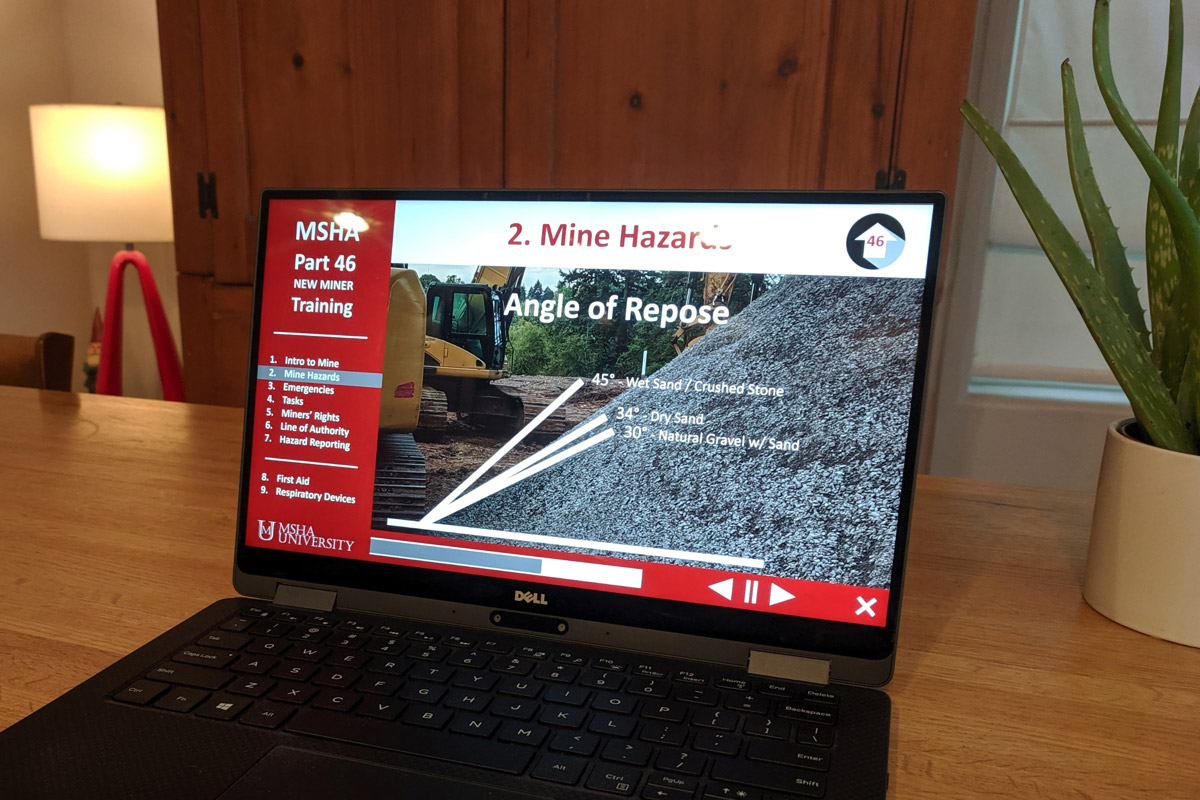
MSHA also accepts certain online courses for Part 48 underground training from approved providers as long as the training is delivered or moderated by an MSHA-approved Part 48 trainer....
Continue Reading
The Mine Safety and Health Administration (MSHA) supports, oversees, and enforces safety and training regulations for all U.S. mines. MSHA’s two main training regulations are Part 46 for surface...
Continue Reading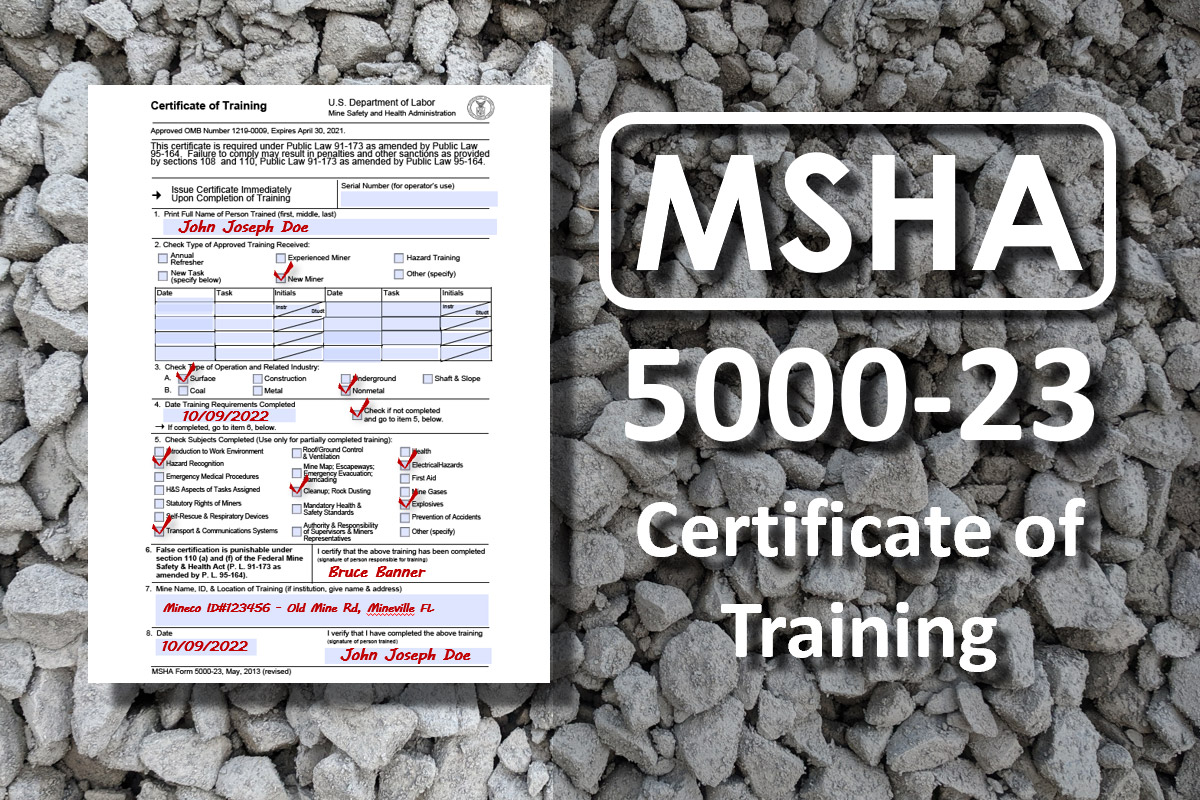
The Mine Safety and Health Administration (MSHA) outlines its requirements for training and documentation in several sections of Title 30 Code of Federal Regulations (CFR). MSHA specifically spells...
Continue Reading
When I started researching and writing my first mining safety eLearning courses that would ultimately become many hours of MSHA Part 46 New Miner Training, the task was beyond daunting. I quickly...
Continue Reading
The Mine Safety and Health Administration (MSHA) is the division of the U.S. Department of Labor focused on “preventing death, illness, and injury from mining and promoting safe and healthful...
Continue Reading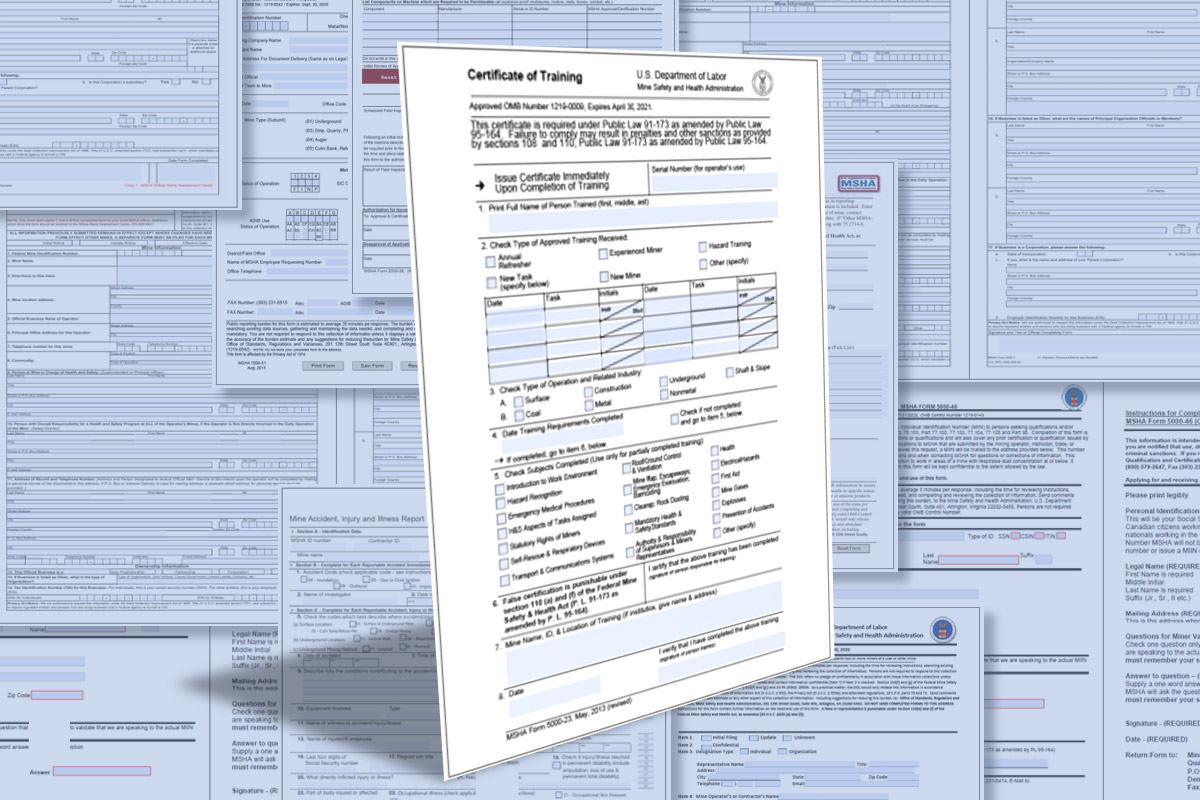
Get important details, links, and downloads of the 19 most frequently requested MSHA forms.
Continue Reading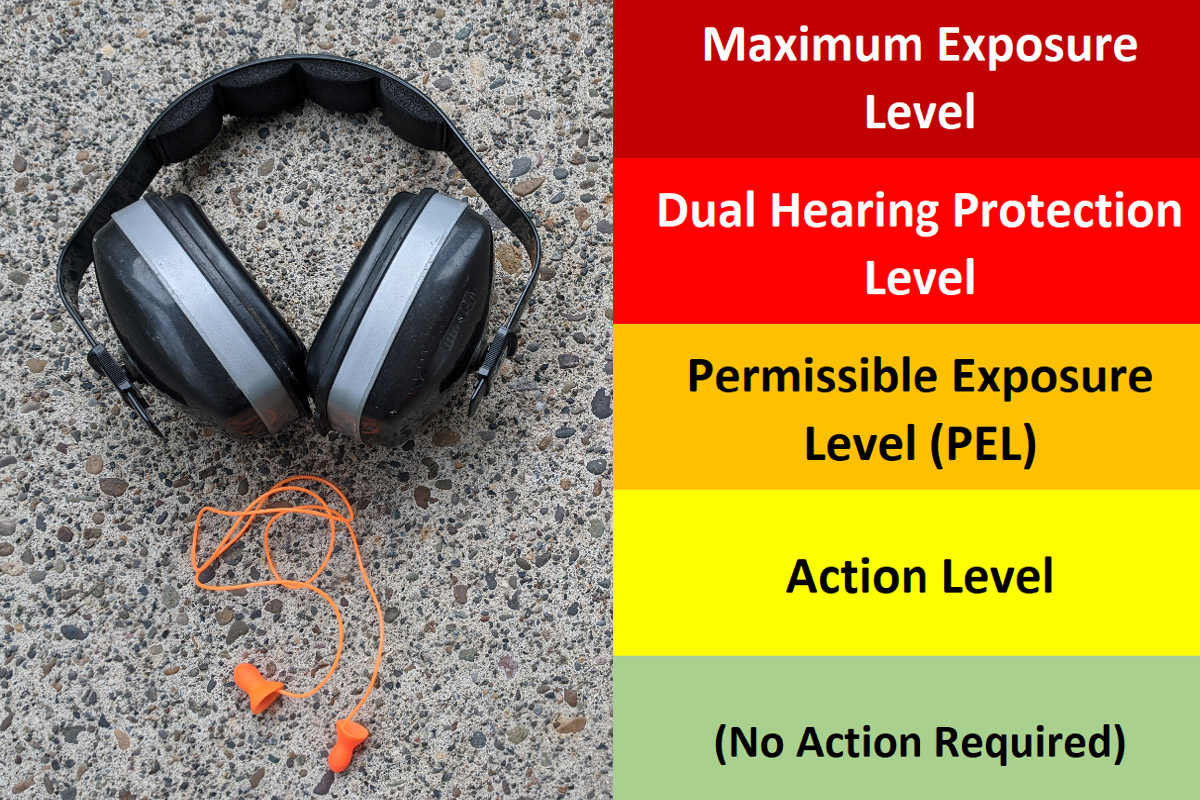
Occupational noise is one of the most common health hazards in mining. While noise induced hearing loss (NIHL) is an obvious outcome, workers exposed to high levels of occupational noise for extended...
Continue Reading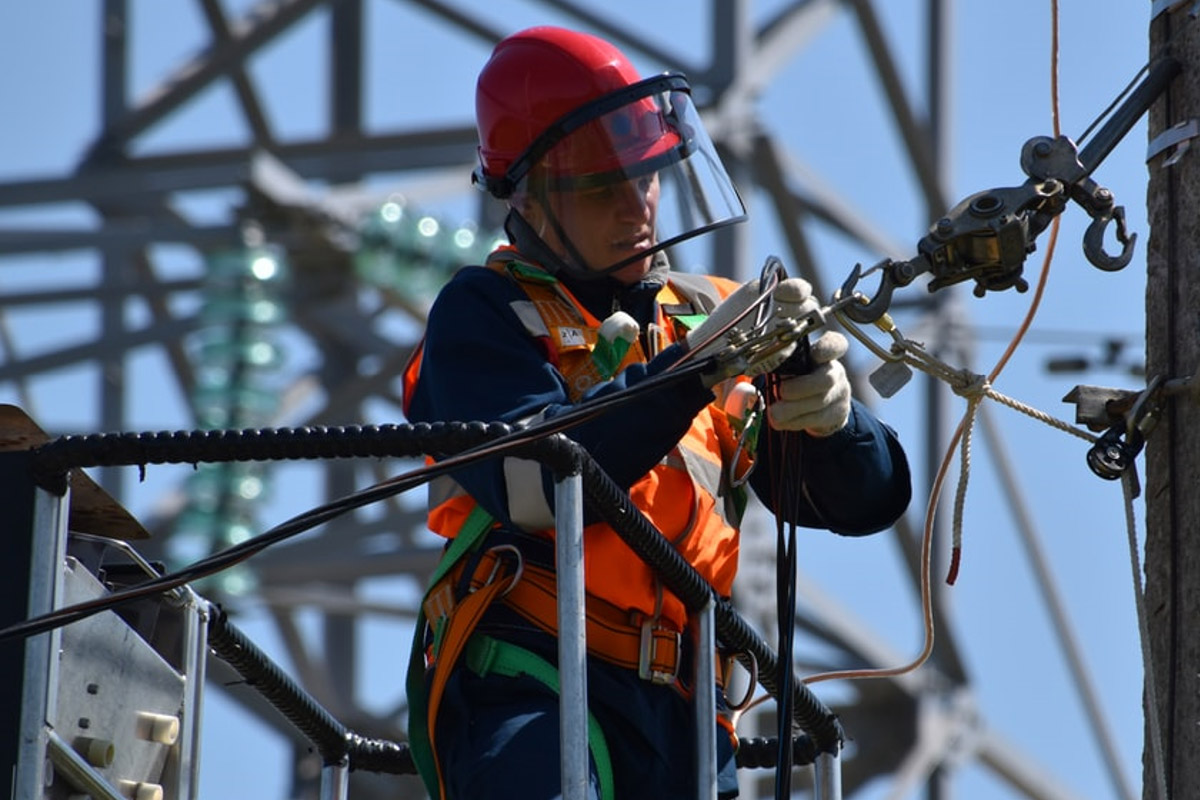
The Mine Safety and Health Administration (MSHA) oversees regulations for all U.S. surface and underground mines. For surface mines, Title 30 Code of Federal Regulations – Part 46 outlines the...
Continue Reading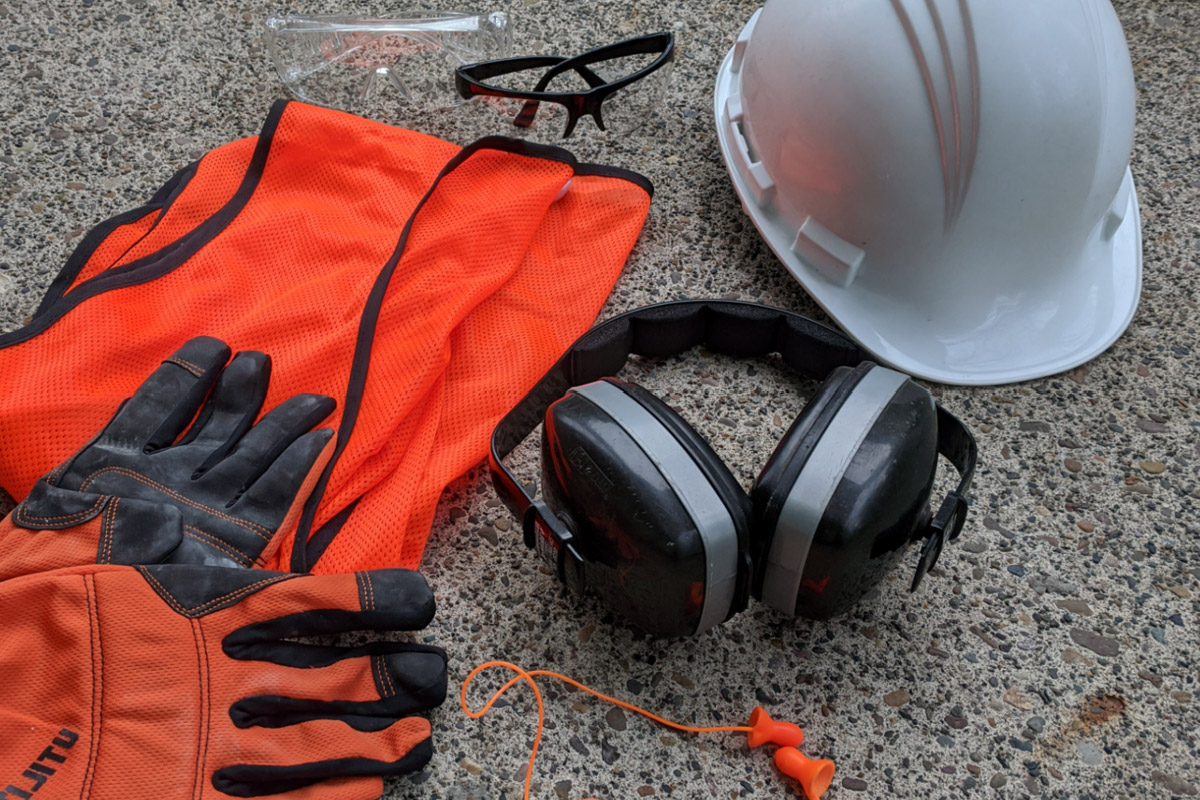
While the Mine Safety and Health Administration (MSHA) takes an active role in testing, approving, and certifying certain types of mining equipment, personal protective equipment (PPE) typically...
Continue Reading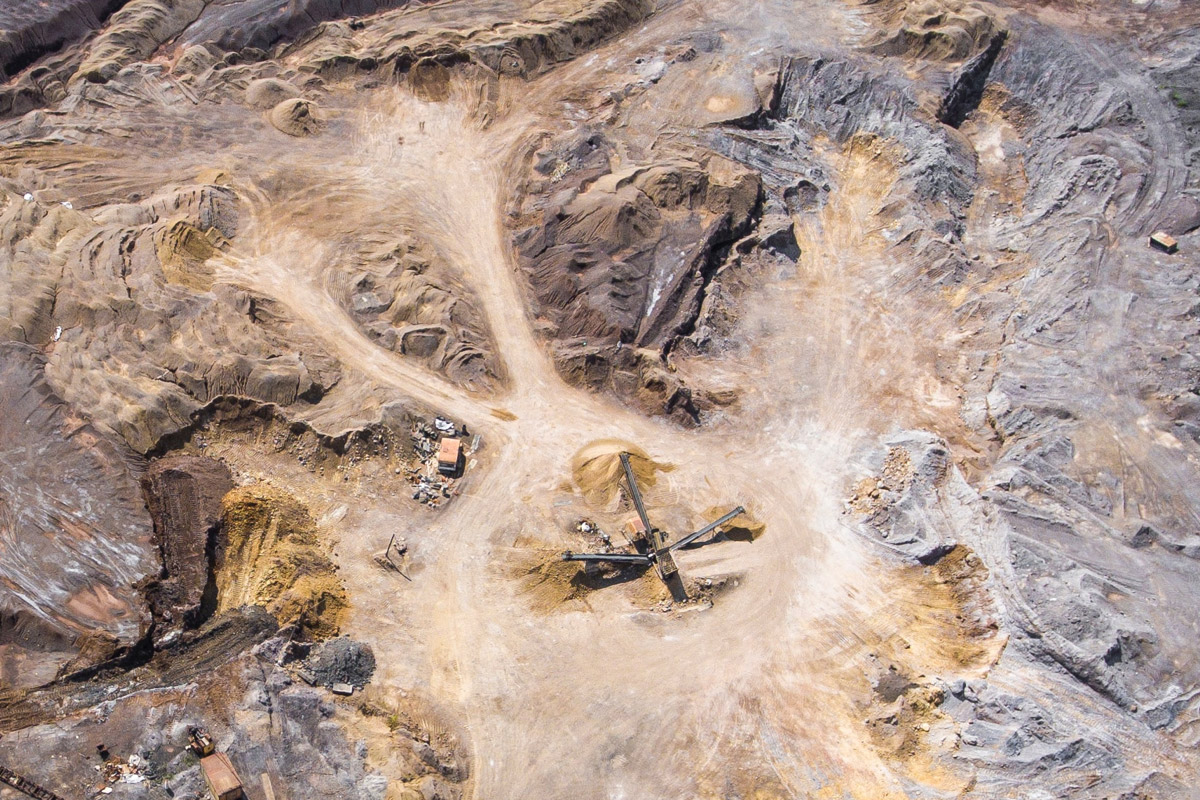
The Mine Safety and Health Administration (MSHA) was created by the 1977 Mine Act to establish, support, and enforce U.S. mining regulations. As part of its mission to “prevent death, illness, and...
Continue Reading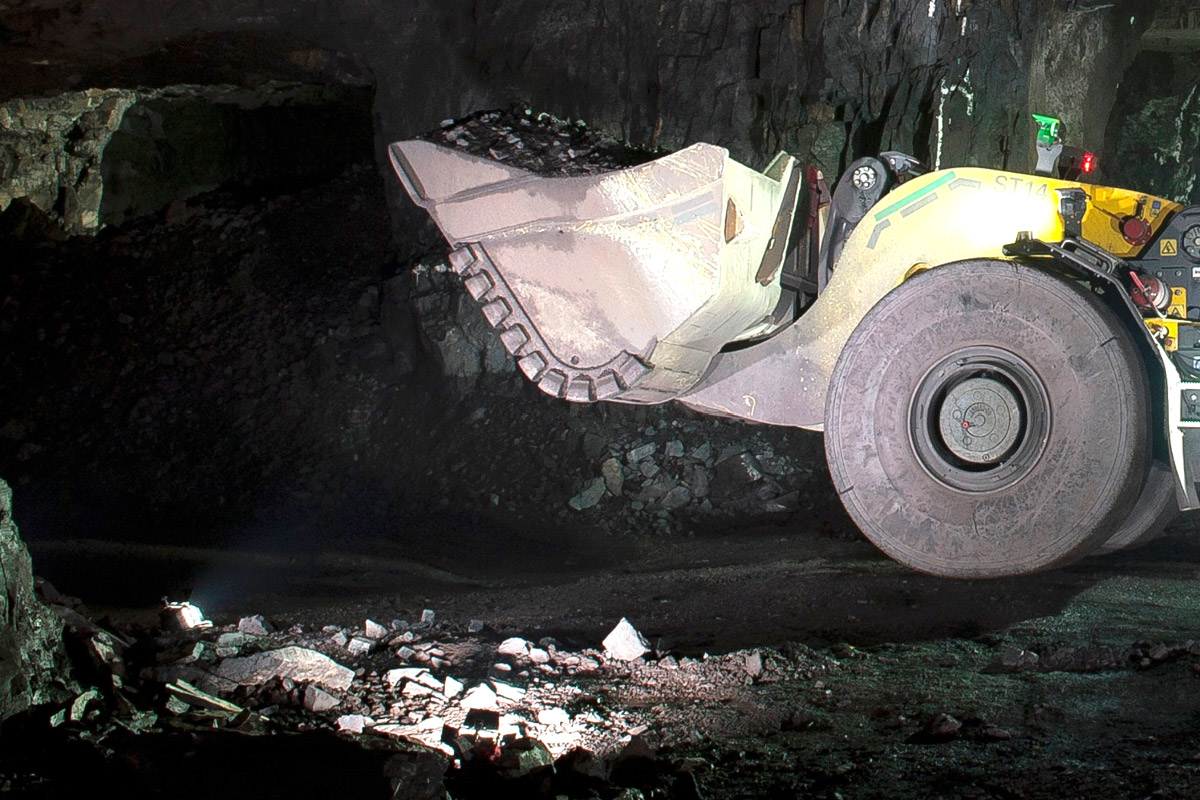
In addition to rates of injuries, illnesses, and fatalities, the Mine Safety and Health Administration (MSHA) tracks common mining citations and violations. This information is used to support...
Continue Reading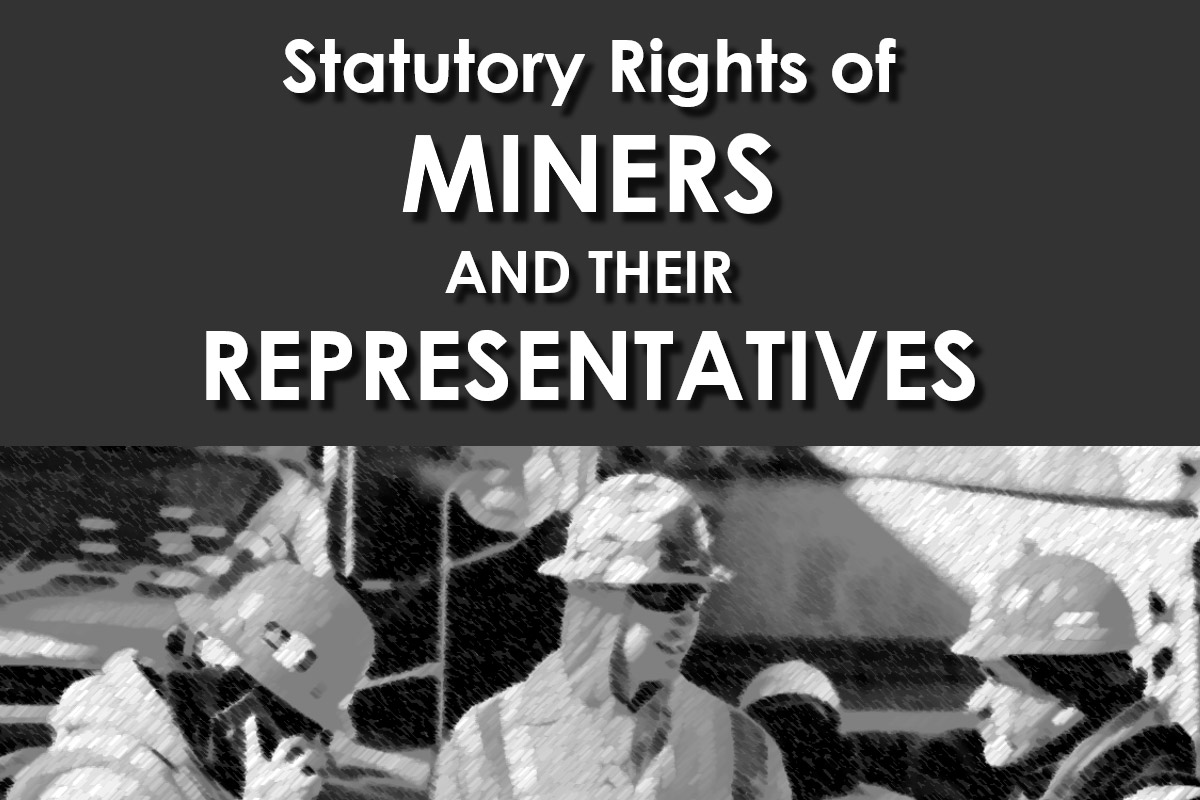
The Mine Safety and Health Administration (MSHA) grants all U.S. miners and their representatives with certain rights and responsibilities to help “prevent death, illness, and injury from mining...
Continue Reading
The Mine Safety and Health Administration (MSHA) outlines training and annual retraining requirements for surface miners (Part 46) and underground miners (Part 48) in Title 30 of the Code of Federal...
Continue Reading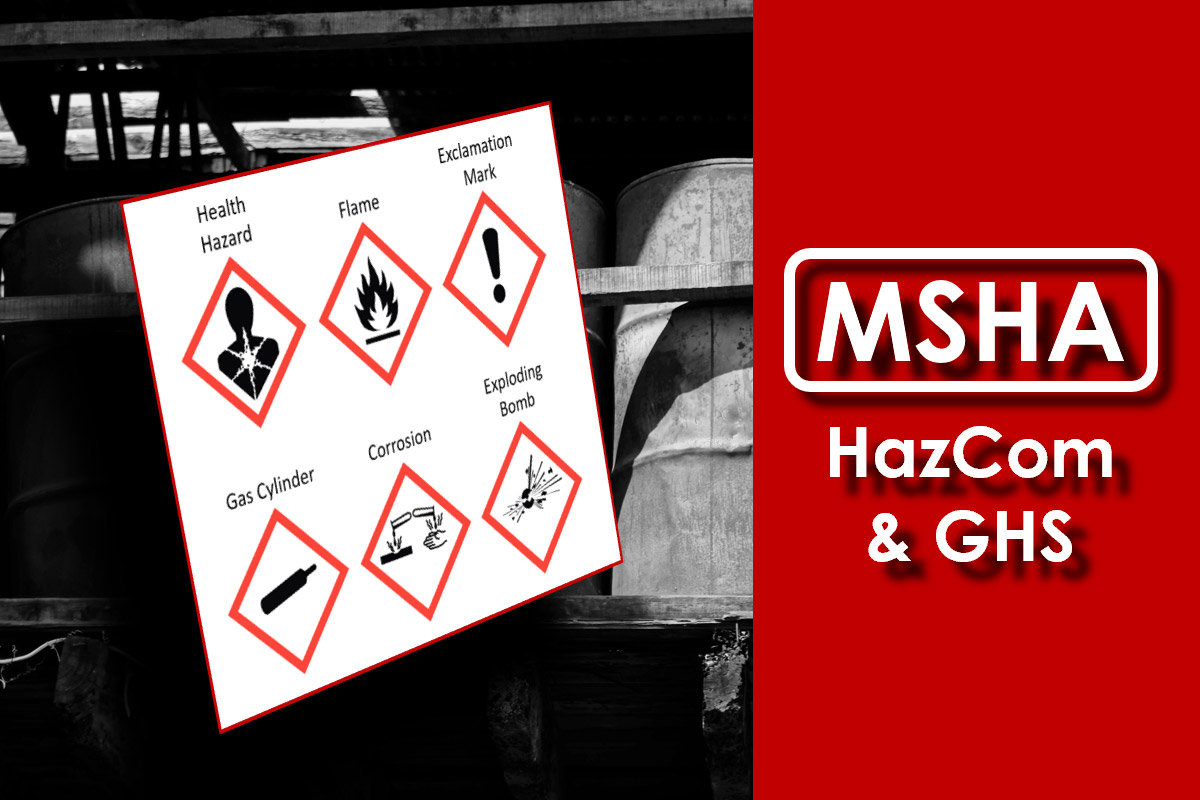
The Mine Safety and Health Administration (MSHA) oversees the U.S. mining industry by administering and enforcing Title 30 in the Code of Federal Regulations (CFR) related to mineral resources. Title...
Continue Reading
The Mine Safety and Health Administration (MSHA) supports, oversees, and enforces safety and training regulations for all U.S. mines. MSHA’s two main training regulations are Part 46 for surface...
Continue Reading
If you’re a new miner, a mining contractor about to start work at a mine, or just someone interested in the mining industry, you’ve probably come across the acronym, MSHA...
Continue Reading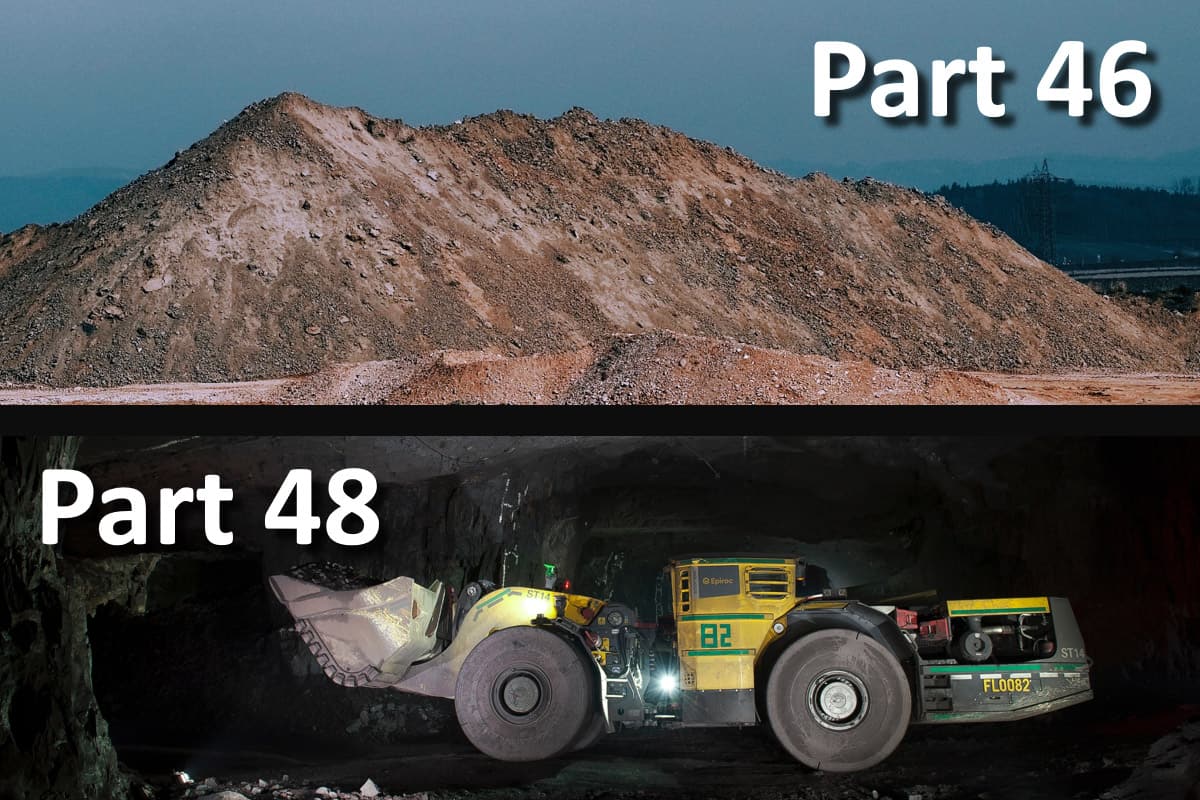
The Mine Safety and Health Administration (MSHA) defines training requirements for both surface and underground mining in Parts 46 and 48 of Title 30 of the Code of Federal Regulations (CFR). You may...
Continue Reading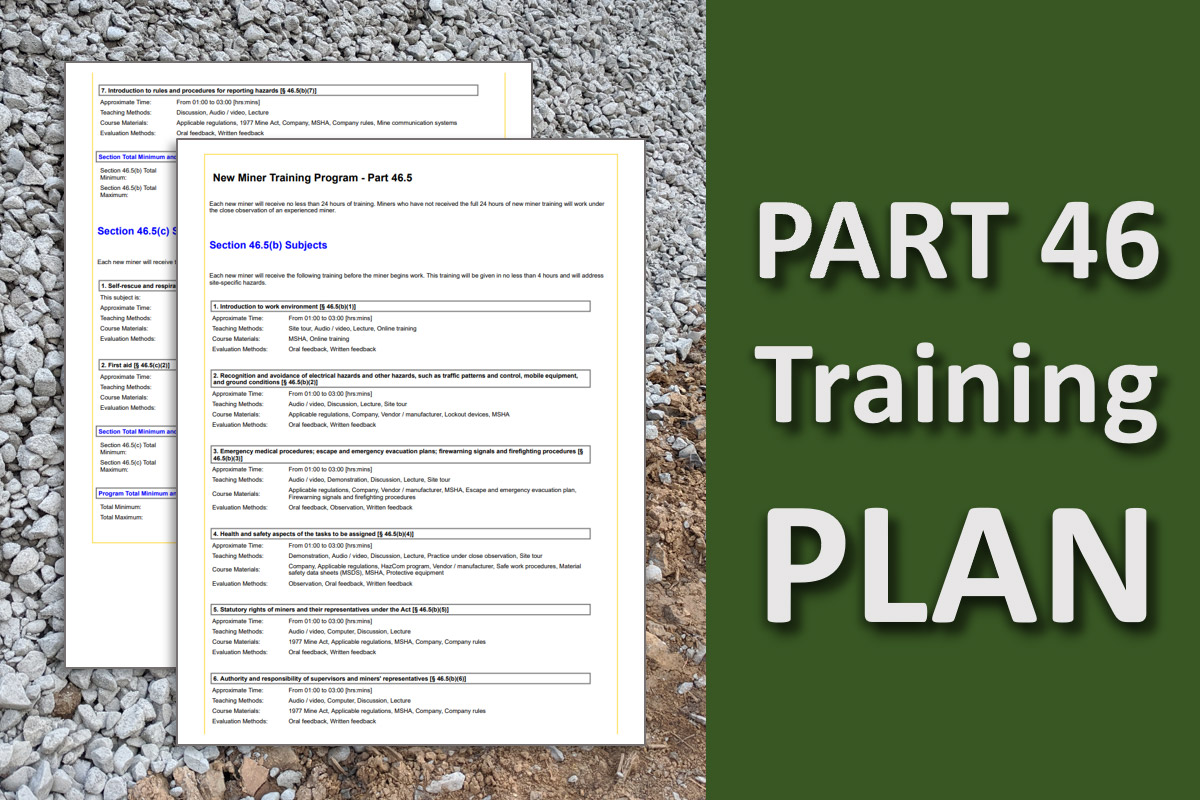
If you’re new to the Mine Safety and Health Administration’s (MSHA’s) Part 46 surface miner training requirements or just looking for some helpful resources, you’re in luck! This guide is...
Continue Reading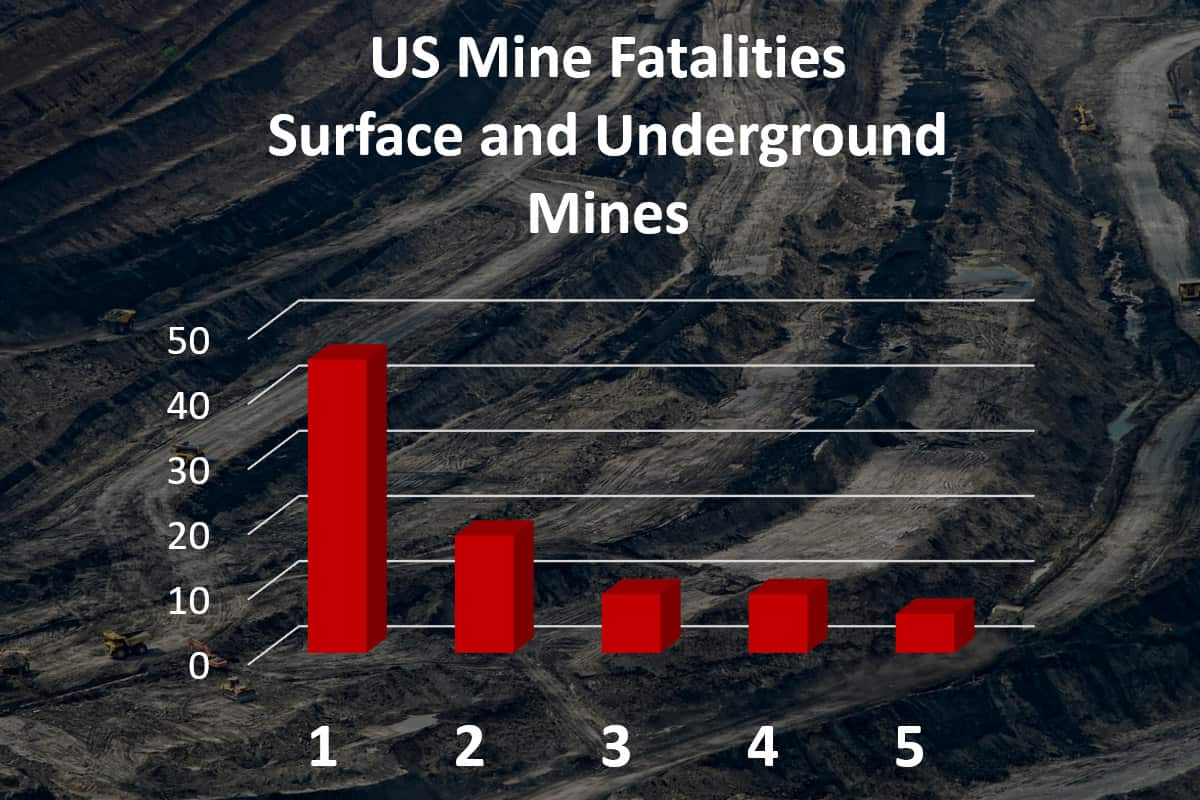
While virtually all mining accidents are preventable, there are clear patterns that identify the most common causes of fatalities in the U.S. mining industry. And depending upon which agency’s...
Continue Reading
MSHA training requirements can be confusing, especially for those new to the regulations. And while Part 46 for surface, nonmetal mining and Part 48 for underground coal and metal mining have some...
Continue Reading
There are many critically important differences between MSHA Part 46 (Surface Miner) and Part 48 (Underground Miner) regulations. Among those differences are the distinctions that MSHA makes about...
Continue Reading
Surface and underground mining can be physically demanding and potentially hazardous work. And while there are thousands of injuries reported annually by U.S. miners and mining contractors hurt by...
Continue Reading
During an emergency at a mine, the last thing anyone needs is confusion about who to call and how to properly report the incident. That’s why MSHA created an easy way for mine operators to report...
Continue Reading
In a similar way that the Mine Act of 1977 established MSHA (the Mine Safety and Health Administration), the Surface Mining Control and Reclamation Act of 1977 (SMCRA) created OSMRE...
Continue Reading
If you’re interested in learning about MSHA, you may be new to the mining industry. But if you’ve ever worked in an industrial environment or at a construction site, you’re probably familiar...
Continue Reading
If you’re a prospective mining contractor bidding a project or just about to start work at a surface mine, you’ve probably got a load of questions about MSHA training and compliance. You’re not...
Continue Reading
For a mine that’s been in operation for years, an MSHA Mine ID (identification number) would have been assigned to the mine operator long ago. But when mining contractors are suddenly faced with...
Continue Reading
Helping Miners and Mining Contractors Since 2008